

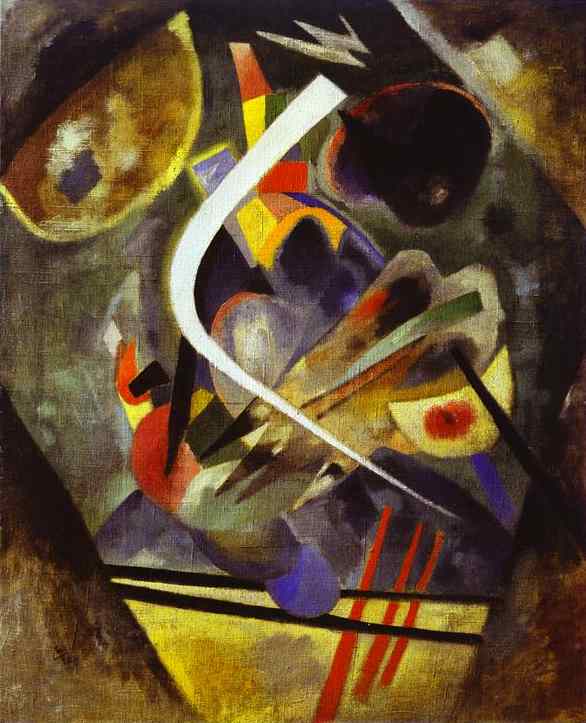


Literal observation
01What is directly visible in the object or photographs — form, material, mark, signature, label, condition, and other recordable details.

THE GANTIÈRE SPACE
ART. AUCTIONS. RESEARCH.IN A UNIFIED SPACE FOR COLLECTORS.
A deeper perspective on the objectsthat shape our world.
01 / RESEARCH
Marks, material, reverse, surface, provenance and competing hypotheses come forward while the object itself recedes.
Begin Research02 / AUCTION
A calm auction-preview language: the object leads, while provenance, condition and sale context stay precise and quiet.
View Auction03 / BOUTIQUE
Objects appear as part of the GANTIÈRE world first. Detail and commerce arrive only when the collector asks for them.
Explore Boutique04 / LIBRARY
Artists, makers, marks, material studies, archival fragments and market context — structured without becoming an old reading room.
Explore LibraryA Research Glimpse
These are the evidence categories the product exposes — not a fabricated example attribution or price.
Literal observation
01What is directly visible in the object or photographs — form, material, mark, signature, label, condition, and other recordable details.
Working hypothesis
02A possible maker, artist, date, region, or classification remains a hypothesis until independent evidence supports it.
Confidence & why
03Confidence is shown with its evidence basis, contradictions, and missing information rather than as an unexplained score.
Market evidence
04Verified sales, unverified sales, estimates, dealer evidence, asking prices, and reproductions remain distinct instead of being blended into one number.
How GANTIÈRE Research Works
Research starts with what is actually visible, not with a guessed name.
Start with photographs of the object or artwork. Front, reverse, signature, maker’s mark, label, base, and other details can all become evidence.
We begin with literal observations, then test possible artists, makers, dates, origins, and attributions against sources and competing hypotheses.
See what the evidence supports, what is inferred, what remains unresolved, and why the conclusion has the confidence it does.
What You Receive
If the exact artist or maker cannot be established, the research does not stop at “unknown.” It returns the narrowest supportable classification and shows what evidence would matter next.
Identification & attribution
A clear statement of what the object appears to be — or the narrowest supportable classification — with an artist or maker attribution only when the evidence supports one.
Evidence & sources
The photographs, marks, references, records, and citations behind important claims, with inference and uncertainty kept visible.
Provenance & context
Relevant date, region, maker or artist history, technique, and ownership context when the available evidence can actually support them.
Market evidence & value
Relevant comparables and a reasoned value range when identity and market data support one, while verified sales, unverified sales, estimates, and asking prices remain distinct.
Evidence standard
Verified
Supported directly by the available source record.
Inference
Reasoned from evidence, but not promoted to fact.
Estimate
A bounded judgment with assumptions kept visible.
Unknown
Left unresolved when the evidence does not earn more.
Research intake
You do not need a perfect prompt or a complete dossier. A question is enough. One photograph is enough to begin. Better evidence can be added as the case develops.
Research not yet openQuestion or photographs
01A text question can start research on its own. If you attach at least one image, the text prompt can be left empty and the object itself becomes the starting evidence.
Up to six images
02The web research intake accepts JPEG, PNG, and WebP photographs. Multiple views are analyzed together as one evidence set rather than as unrelated uploads.
Image-first analysis
03When photographs arrive without a written question, the research engine compares the images, separates observation from identification, and avoids guessing artist, maker, date, origin, or value from resemblance alone.
Missing evidence becomes a request
04If the evidence set is incomplete, Guided Evidence Capture can ask for a specific missing view with priority, reason, capture instruction, and the evidence goal it can help resolve.
Useful first views
These are useful starting views, not a mandatory checklist. The guided-photo plan adapts to what is already visible and what the research still needs.
Research depth
Both modes require live web research. The difference is depth, cross-checking, and how much evidence the run is asked to gather.
Quick
Concise research with live web verification still required. For substantive identification, attribution, provenance, pricing, auction-market, or maker research, the engine seeks at least three distinct relevant sources when reasonably available.
Deep
Higher-depth research with broader search context, cross-checking of important claims, a target of at least five distinct relevant sources when reasonably available, and institutional references requested automatically.
Optional market context
For text-led market research, a selected eBay marketplace can add structured listing context. It does not replace broader web research and does not become completed-sale evidence merely because a price is visible.
Global web remains primary
Marketplace evidence is additive. Live web research still runs even when an eBay marketplace is selected.
Active listings are asking evidence
Structured eBay records are treated as active listings and asking-price context — never silently relabeled as sold comps or realized prices.
Source currency stays visible
A preferred display currency does not rewrite a source price. Original source currency is preserved rather than silently converted.
Unavailable is not no market
If marketplace evidence cannot be retrieved, the run continues with web research and records the provider as unavailable rather than concluding that no market or comparables exist.
The GANTIÈRE Method
No forced attribution. No marketplace description promoted to fact. No price conclusion before identity. The research trail stays readable from first observation to final report.
Explore the full methodStart with the object: photographs, marks, materials, dimensions, condition, and the reverse.
Follow signatures, canonical works, editions, institutions, archives, and competing identities.
Keep contradictions visible until the evidence earns a conclusion.
Save the case, sources, rejected leads, market context, and future research in one Library.
Living research case
A saved case can keep growing after the initial research. New archival replies, expert correspondence, catalog records, and object photographs join the same evidence trail instead of creating a disconnected second answer.
Original photographs, correspondence, PDFs, catalog pages, institutional replies, and other source material stay attached to the case.
Each important claim can point back to the source that supports, contradicts, or refines it. An AI note remains secondary to the original evidence.
Later evidence is compared with the existing case state before conclusions change. New information does not silently overwrite what came before.
Earlier hypotheses, rejected leads, contradictions, and later corrections remain readable as the research record develops over time.
Built for the people who live with objects
For
Know what entered your collection — and keep the evidence with it.
For
Research before you describe, price, list, or stand behind an attribution.
For
Start with a photograph and turn an unknown object into a documented research trail.
Verified Knowledge
Reviewed artist context, institutional anchors, documented works, signature references, aliases, and technique evidence — reusable across future research.
GANTIÈRE
One house, three independent paths. Research an object, submit to Auction, or enter Boutique without a mandatory research gate; evidence-first Research remains available whenever identity, attribution, provenance, or market context needs to be established.
Research
The standalone core product. A complete research result does not depend on a sale or placement decision.
Boutique
A curated path for selected researched objects whose context supports direct presentation.
Private preview registration
Auction
An open-market path when competitive bidding is the better fit for the object.
Access registration open
No sale required
Some objects simply remain researched, documented, and understood. Every case does not need a transaction.
Evidence before attribution. Research before certainty.
Start with the object. Keep the sources, competing hypotheses, confidence history, and market context attached to the same research case.